
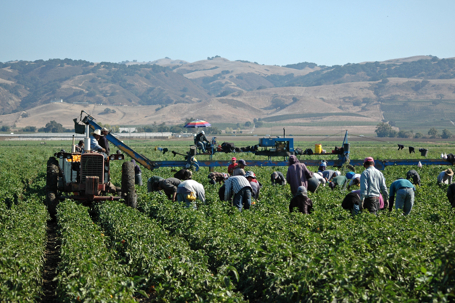
For workers in Bakersfield, Santa Maria, and Turlock, careers in agriculture and oil production often demand years of physically demanding labor. From lifting heavy equipment to performing repetitive tasks in harsh conditions, these jobs can take a serious toll on the body over time.
When injuries, chronic pain, or medical conditions prevent you from working, Social Security Disability Insurance (SSDI) benefits may provide critical financial support. However, qualifying for SSDI as a blue-collar worker involves more than simply showing you can’t perform your previous job.
Understanding how the Social Security Administration (SSA) evaluates claims, especially for workers over age 50, can make a significant difference in the outcome of your case.
Common Disabilities Among Agricultural and Oil Workers
Workers in Central California and the Central Coast frequently experience injuries and conditions related to repetitive physical strain, heavy lifting, and exposure to challenging work environments.
In regions like Bakersfield, where oil and energy production are major industries, and in Santa Maria and Turlock, where agriculture plays a dominant role, certain medical conditions appear frequently in SSDI claims.
Common disabling conditions include:
- Chronic back and spine injuries
- Degenerative disc disease
- Shoulder and knee injuries
- Joint damage from repetitive lifting
- Neuropathy and nerve damage
- Respiratory issues from dust or chemical exposure
- Arthritis that limits movement and strength
These conditions may worsen over time, especially after decades of physically demanding work. Even when symptoms develop gradually, they can eventually prevent workers from performing their regular duties safely.
Why Age 50 Matters in SSDI Claims
Many workers are surprised to learn that turning 50 can significantly affect SSDI eligibility. The SSA uses what are known as “grid rules,” which consider age, work history, education, and physical limitations when determining disability.
For workers age 50 and older, the SSA recognizes that retraining for a completely different type of work may be unrealistic—especially after a lifetime in physically demanding jobs.
This is particularly important for individuals who have spent most of their careers in manual labor, such as:
- Farmworkers and agricultural laborers
- Equipment operators
- Oil field workers
- Mechanics and maintenance personnel
- Warehouse and processing workers
If your physical limitations prevent you from continuing this type of work, and your skills do not easily transfer to sedentary jobs, your chances of qualifying for SSDI may increase.
Why a Doctor’s “No Heavy Lifting” Restriction Can Be Critical
One of the most important pieces of evidence in a blue-collar SSDI claim is a clear medical restriction from your treating physician.
For workers over age 50, a doctor’s note stating that you cannot perform heavy lifting—or similar physical activities—can be a key factor in winning a claim.
How Physical Restrictions Affect Eligibility
Many agricultural and oil-related jobs require regular lifting, bending, climbing, and standing for long periods. If your doctor determines that you should not lift heavy objects, perform repetitive motions, or engage in physically strenuous activity, it may effectively rule out your ability to return to your past work.
When properly documented, restrictions such as these help demonstrate that:
- You cannot safely perform your previous job duties
- Your physical limitations are medically supported
- Your condition significantly limits your ability to work
For older workers, these restrictions can be especially persuasive because the SSA considers whether realistic alternative jobs exist for someone with your background and limitations.
The Importance of Detailed Medical Documentation
A simple note is helpful, but detailed medical records are even more valuable. Documentation that explains the nature of your condition, treatment history, and long-term limitations strengthens your claim.
Helpful medical evidence may include:
- Imaging results such as MRIs or X-rays
- Physical therapy reports
- Pain management records
- Specialist evaluations
- Functional capacity assessments
When these records clearly support your limitations, they make it easier for examiners to understand why you can no longer perform physically demanding work.
Challenges Blue-Collar Workers Often Face When Applying
Despite having legitimate disabilities, many workers encounter obstacles during the SSDI process.
One of the most common challenges is proving that limitations are severe enough to prevent all forms of work—not just the job you previously held. The SSA evaluates whether you can perform any type of employment that fits your physical abilities.
For workers with limited formal education or specialized training outside manual labor, this can work in your favor—especially when combined with age-related considerations.
However, without strong documentation and careful preparation, even valid claims can face delays or denials.
How Legal Guidance Can Strengthen a Blue-Collar SSDI Claim
An experienced Social Security Disability attorney understands how physically demanding industries affect long-term health and employability.
For workers in Bakersfield, Santa Maria, and Turlock, local legal guidance can help ensure that your application reflects the realities of your work history and medical limitations.
Attorneys often assist by:
- Gathering complete medical documentation
- Requesting detailed work restriction statements from doctors
- Presenting evidence that supports age-based grid rule eligibility
- Addressing gaps or weaknesses in the application
- Preparing appeals if a claim is denied
By focusing on the specific challenges faced by blue-collar workers, legal guidance can help present a stronger, more complete case.
Know When to Seek Help with Your SSDI Claim
If years of agricultural or oil field work have left you unable to continue working, SSDI benefits may provide the financial support you need. Waiting too long to apply—or submitting an incomplete claim—can lead to unnecessary delays and frustration.
Workers over age 50 in physically demanding industries often have stronger claims than they realize, especially when medical restrictions clearly limit lifting and physical activity.
Speak with a California Social Security Disability Attorney Today
If you worked in agriculture, oil production, or other physically demanding jobs in Bakersfield, Santa Maria, Turlock, or surrounding communities and can no longer work due to a medical condition, you do not have to navigate the SSDI process alone.
The attorneys at Ghitterman, Ghitterman & Feld understand the challenges blue-collar workers face when applying for disability benefits. With decades of experience representing injured and disabled workers across California, we can help you build a strong claim supported by clear medical evidence.
Call (805) 243-2179 reach out online today to schedule your free consultation with a Social Security Disability attorney & learn more about your options for pursuing SSDI benefits.